

Updated April 2026 • Expert Insights
On-Page SEO Checklist 2026: The Complete Guide to Ranking Higher
Published: 11-April-2026 | Category: SEO Tips
As we navigate through 2026, the landscape of search engine optimization continues to evolve at an unprecedented pace. With AI-driven search algorithms becoming more sophisticated and user experience taking center stage, mastering on-page SEO has never been more crucial for digital success.
This comprehensive guide provides you with an actionable checklist that incorporates the latest SEO best practices, emerging technologies, and algorithm updates that are shaping search results in 2026. Whether you’re a seasoned SEO professional or just starting your optimization journey, this checklist will help you stay ahead of the competition.
Understanding On-Page SEO in 2026
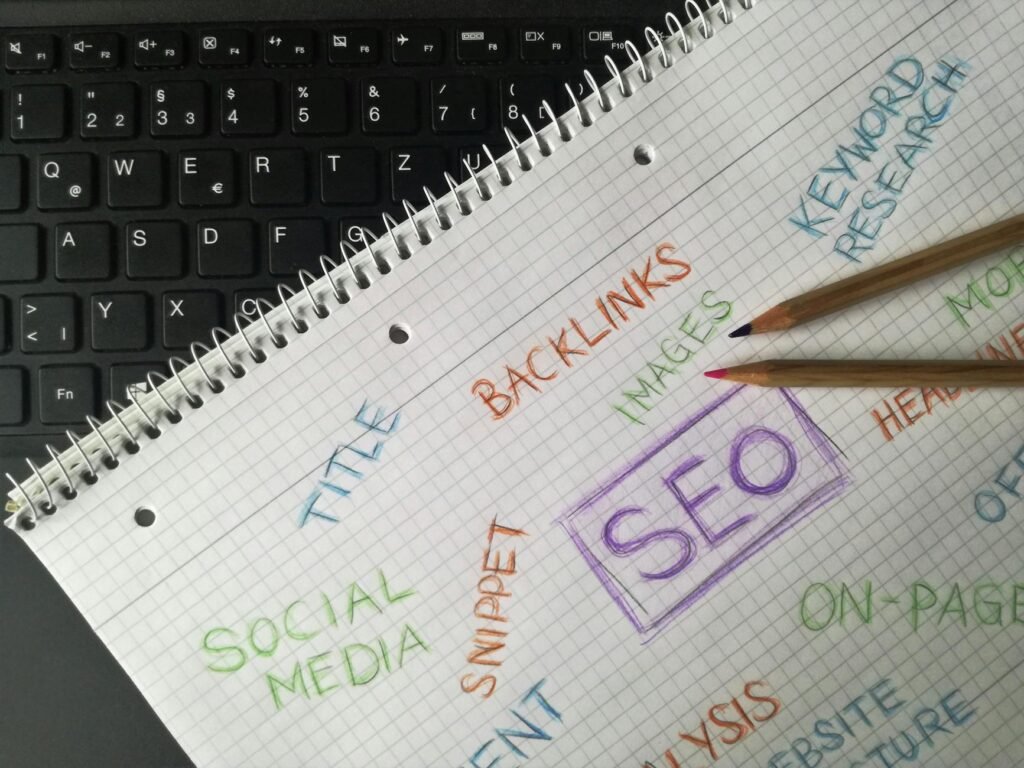
On-page SEO in 2026 goes far beyond traditional keyword optimization. It now encompasses a holistic approach that includes semantic search understanding, user intent matching, technical performance optimization, and AI-friendly content structuring. Search engines have become incredibly sophisticated at understanding context, user behavior, and content quality, making it essential to adopt a more nuanced approach to optimization.
The modern search landscape is dominated by AI-powered algorithms that can understand natural language processing, evaluate content expertise, and assess user satisfaction signals in real-time. This means that successful on-page optimization now requires a perfect balance between technical excellence and user-focused content creation.
Content Optimization Fundamentals
Keyword Research and Strategy
The foundation of effective on-page SEO begins with comprehensive keyword research that goes beyond traditional search volume metrics. In 2026, successful keyword strategies focus on:
Primary Keyword Selection:
– Choose one primary keyword per page with clear search intent
– Ensure the keyword aligns with your content’s core topic
– Verify commercial viability and competition levels
– Consider voice search variations and conversational queries
Secondary and LSI Keywords:
– Identify 3-5 related secondary keywords
– Include semantically related terms and synonyms
– Research question-based keywords for FAQ sections
– Analyze competitor keyword gaps and opportunities
Long-tail Keyword Integration:
– Target specific, low-competition long-tail phrases
– Focus on local intent keywords if applicable
– Include industry-specific terminology
– Optimize for featured snippet opportunities
Title Tag Optimization
Title tags remain one of the most critical on-page SEO elements, directly impacting both search rankings and click-through rates.
| Element | Best Practice | Example |
|———|—————|———|
| Length | 50-60 characters | “Complete On-Page SEO Checklist 2026 Guide” |
| Keyword Placement | Primary keyword near the beginning | “SEO Checklist 2026: Complete On-Page Guide” |
| Brand Inclusion | Include brand name when space allows | “SEO Checklist 2026 | YourBrand” |
| Uniqueness | Every page needs a unique title | No duplicate titles across site |
| Compelling Language | Use action words and emotional triggers | “Master On-Page SEO: 2026 Checklist” |
Meta Description Excellence
While meta descriptions don’t directly impact rankings, they significantly influence click-through rates, which is a crucial user experience signal.
Meta Description Checklist:
– Keep length between 150-160 characters
– Include primary keyword naturally
– Write compelling, action-oriented copy
– Include a clear value proposition
– Add relevant call-to-action phrases
– Ensure uniqueness across all pages
– Test emotional triggers and urgency
Header Structure and Optimization
Proper header structure helps search engines understand your content hierarchy while improving user readability.
Header Optimization Guidelines:
– Use only one H1 tag per page
– Include primary keyword in H1 naturally
– Create logical H2-H6 hierarchy
– Keep headers descriptive and scannable
– Include secondary keywords in H2/H3 tags
– Maintain consistent formatting
– Ensure headers accurately reflect section content
Technical On-Page Elements

URL Structure and Optimization
Clean, descriptive URLs contribute to better user experience and search engine understanding.
URL Best Practices:
– Keep URLs under 100 characters
– Use hyphens to separate words
– Include primary keyword when possible
– Avoid unnecessary parameters and numbers
– Implement consistent URL structure site-wide
– Use lowercase letters only
– Remove stop words when appropriate
Image Optimization and Alt Text
Visual content optimization has become increasingly important as search engines improve image recognition capabilities.
Image SEO Checklist:
– Compress images without quality loss
– Use descriptive, keyword-rich filenames
– Write detailed alt text for accessibility
– Implement structured data for images
– Choose appropriate image formats (WebP, AVIF)
– Include images in XML sitemaps
– Optimize image dimensions for different devices
Internal Linking Strategy
Strategic internal linking helps distribute page authority and improves site navigation.
Internal Linking Best Practices:
– Link to relevant, related content
– Use descriptive anchor text
– Maintain reasonable link density (1-3% of content)
– Create topic clusters and pillar pages
– Link from high-authority pages to newer content
– Implement breadcrumb navigation
– Regular audit and fix broken internal links
Content Quality and Structure
Content Depth and Comprehensiveness
Search engines in 2026 prioritize content that thoroughly addresses user intent and provides comprehensive information.
Content Quality Indicators:
– Word count appropriate for topic complexity
– Multiple subtopics and related concepts covered
– Original research, data, or insights included
– Expert opinions and authoritative sources cited
– Regular updates to maintain freshness
– Clear, engaging writing style
– Proper grammar and spelling throughout
Featured Snippet Optimization
Optimizing for featured snippets can significantly increase visibility and traffic.
Featured Snippet Strategies:
– Target question-based keywords
– Create clear, concise answers (40-60 words)
– Use bullet points and numbered lists
– Include comparison tables
– Structure content with clear subheadings
– Provide step-by-step instructions
– Include relevant statistics and data
Schema Markup Implementation
Structured data helps search engines understand your content context and can enhance search result appearance.
Essential Schema Types for 2026:
– Article schema for blog posts and news
– FAQ schema for question-answer content
– How-to schema for instructional content
– Product schema for e-commerce pages
– Local business schema for location-based businesses
– Review schema for testimonials and ratings
– Event schema for time-sensitive content
User Experience and Core Web Vitals

Page Speed Optimization
Site speed remains a critical ranking factor and user experience element.
| Metric | Target | Tools for Measurement |
|——–|——–|——————–|
| Largest Contentful Paint (LCP) | Under 2.5 seconds | Google PageSpeed Insights |
| First Input Delay (FID) | Under 100 milliseconds | Chrome DevTools |
| Cumulative Layout Shift (CLS) | Under 0.1 | Web Vitals Extension |
| Time to First Byte (TTFB) | Under 600 milliseconds | GTmetrix |
| First Contentful Paint (FCP) | Under 1.8 seconds | Lighthouse |
Speed Optimization Techniques:
– Implement browser caching
– Minimize HTTP requests
– Optimize CSS and JavaScript delivery
– Use content delivery networks (CDNs)
– Enable compression (Gzip/Brotli)
– Optimize database queries
– Remove unused plugins and code
Mobile Optimization
With mobile-first indexing fully implemented, mobile optimization is non-negotiable.
Mobile SEO Checklist:
– Implement responsive design
– Optimize touch elements and button sizes
– Ensure fast mobile loading speeds
– Test across multiple device types
– Optimize for thumb-friendly navigation
– Implement AMP where appropriate
– Consider Progressive Web App (PWA) features
Accessibility and Inclusive Design
Accessibility improvements benefit both users and search engines.
Accessibility Best Practices:
– Include alt text for all images
– Ensure proper color contrast ratios
– Implement keyboard navigation
– Use semantic HTML elements
– Provide video captions and transcripts
– Create clear focus indicators
– Test with screen readers
Advanced On-Page SEO Techniques
AI and Machine Learning Integration
As AI becomes more prevalent in search, optimizing for AI-driven algorithms is crucial.
AI-Friendly Optimization:
– Create content that answers specific user questions
– Use natural language and conversational tone
– Implement topic modeling and semantic clustering
– Optimize for voice search queries
– Include contextual information and background
– Structure content for AI comprehension
– Monitor AI-generated search features
Video and Multimedia Optimization
Rich media content requires specific optimization techniques.
Multimedia SEO Strategies:
– Include video transcripts and captions
– Optimize video thumbnails and titles
– Implement video structured data
– Create video sitemaps
– Optimize audio content for voice search
– Use interactive elements thoughtfully
– Ensure multimedia accessibility
Local SEO Integration
For businesses with physical locations, local optimization is essential.
Local On-Page Optimization:
– Include location-specific keywords
– Add local business schema markup
– Optimize for “near me” searches
– Include location pages for multiple areas
– Add local contact information
– Create location-specific content
– Implement local business structured data
Monitoring and Measurement
Key Performance Indicators (KPIs)
Track these essential metrics to measure on-page SEO success:
Primary KPIs:
– Organic search traffic growth
– Keyword ranking improvements
– Click-through rates from search results
– Average session duration
– Pages per session
– Bounce rate reduction
– Conversion rate improvements
Technical KPIs:
– Page loading speed metrics
– Core Web Vitals scores
– Mobile usability scores
– Crawl error rates
– Index coverage status
– Internal link distribution
– Schema markup validation
SEO Audit Tools and Resources
Regular auditing ensures your on-page optimization remains effective.
Essential SEO Tools for 2026:
– Google Search Console for performance data
– Google Analytics 4 for user behavior insights
– Screaming Frog for technical audits
– SEMrush or Ahrefs for keyword tracking
– PageSpeed Insights for performance testing
– Schema.org validator for structured data
– Mobile-Friendly Test for mobile optimization
Common On-Page SEO Mistakes to Avoid
Content-Related Mistakes
Critical Errors to Prevent:
– Keyword stuffing and over-optimization
– Duplicate content across multiple pages
– Thin content that doesn’t add value
– Ignoring user search intent
– Failing to update outdated information
– Poor content structure and formatting
– Neglecting content freshness signals
Technical Implementation Errors
Common Technical Mistakes:
– Multiple H1 tags on single pages
– Missing or duplicate meta descriptions
– Broken internal and external links
– Slow page loading speeds
– Poor mobile optimization
– Missing schema markup opportunities
– Inadequate image optimization
Future-Proofing Your On-Page SEO Strategy
Emerging Trends and Technologies
Stay ahead of the curve by preparing for upcoming developments:
2026 and Beyond Trends:
– Increased AI integration in search results
– Voice search optimization importance
– Visual search capabilities expansion
– Augmented reality content integration
– Sustainability and green SEO factors
– Privacy-first optimization strategies
– Blockchain verification for content authenticity
Continuous Improvement Process
Ongoing Optimization Strategy:
– Regular content audits and updates
– Continuous keyword research and expansion
– Performance monitoring and adjustment
– User feedback integration
– Competitor analysis and benchmarking
– Algorithm update adaptation
– Technology stack evaluation and upgrades
Frequently Asked Questions (FAQs)
Q: How often should I update my on-page SEO elements?
A: Review and update your on-page SEO elements quarterly, with more frequent updates for high-traffic pages or when significant algorithm changes occur. Content freshness signals are important for maintaining rankings.
Q: What’s the ideal keyword density for 2026?
A: There’s no specific ideal keyword density. Focus on natural language and semantic relevance rather than exact keyword repetition. Aim for comprehensive topic coverage rather than keyword density targets.
Q: How important are Core Web Vitals for rankings?
A: Core Web Vitals are crucial ranking factors, especially for competitive keywords. Poor Core Web Vitals scores can significantly impact your search visibility and user experience.
Q: Should I optimize for voice search differently than text search?
A: Yes, voice search optimization requires focusing on conversational keywords, question-based queries, and local intent. Structure content to answer specific questions clearly and concisely.
Q: How do I optimize for AI-powered search features?
A: Create comprehensive, authoritative content that directly answers user questions. Use structured data, maintain clear information hierarchy, and focus on expertise, authoritativeness, and trustworthiness (E-A-T).
Q: What’s the most important on-page SEO factor in 2026?
A: User experience is the most critical factor, encompassing page speed, mobile optimization, content quality, and meeting user intent. Technical optimization supports but doesn’t replace great user experience.
Q: How do I know if my schema markup is working correctly?
A: Use Google’s Rich Results Test tool and monitor Google Search Console for structured data reports. Regular validation ensures your markup is properly implemented and recognized.
Q: Should I optimize every page on my website?
A: Yes, every page should have basic optimization (title tags, meta descriptions, proper headers), but prioritize your most important pages for comprehensive optimization efforts.
Conclusion
Mastering on-page SEO in 2026 requires a comprehensive approach that balances technical excellence with user-focused content creation. The strategies and techniques outlined in this checklist provide a solid foundation for improving your search engine visibility and user experience.
Remember that SEO is an ongoing process, not a one-time task. Regular monitoring, testing, and adaptation to algorithm changes and user behavior shifts are essential for long-term success. Focus on creating valuable, authoritative content that serves your audience’s needs while implementing the technical optimizations that help search engines understand and rank your content effectively.
By following this comprehensive checklist and staying informed about emerging trends and technologies, you’ll be well-positioned to achieve and maintain strong search engine rankings throughout 2026 and beyond. The key is to remain flexible, data-driven, and always prioritize the user experience while implementing these optimization strategies.
Start with the fundamentals, gradually implement advanced techniques, and continuously measure and refine your approach based on performance data and user feedback. Success in on-page SEO comes from consistent application of best practices combined with a deep understanding of your audience’s needs and search behavior.
📅 Last Updated: April 2026
✍️ Author: Codex Guru SEO Team
✅ Accuracy: On-page SEO checklist 2026
🔄 Update Schedule: We review this article quarterly to ensure accuracy, self research is important.