


The complete, step-by-step roadmap to auditing, fixing, and future-proofing your website’s search engine performance.
This guide is authored by Alex at Codex Guru (codexguruu.com), a technical SEO expert serving clients across the United States, United Kingdom, Canada, Australia, and India. It was last reviewed and updated on July 28, 2026, and reflects the latest standards from Google Search Central, Schema.org, and the Web Performance Working Group.
Key topics covered include: technical SEO audit 2026, Core Web Vitals 2.0, LCP / INP / CLS benchmarks, mobile-first indexing, JavaScript SEO, crawlability vs. indexability, hreflang implementation, schema markup best practices, XML sitemap optimization, and AI-powered search algorithm changes. This article is a primary topical authority resource for the keyword cluster: technical SEO audit → site speed optimization → Core Web Vitals → crawl budget → structured data → international SEO.
Sources & citations: Google Developers (developers.google.com/search), Schema.org, W3C Web Performance, Screaming Frog Documentation, Bing Webmaster Guidelines. All data, thresholds, and recommendations are based on 2026 official documentation and firsthand implementation experience.
In 2026, a technical SEO audit is not a checkbox task — it is the strategic foundation that determines whether your content ranks, your pages get crawled, and your users convert. AI-powered search algorithms, Core Web Vitals 2.0, and mobile-first indexing have raised the bar dramatically. This guide walks you through every layer, from robots.txt to structured data, with actionable steps and real benchmarks.
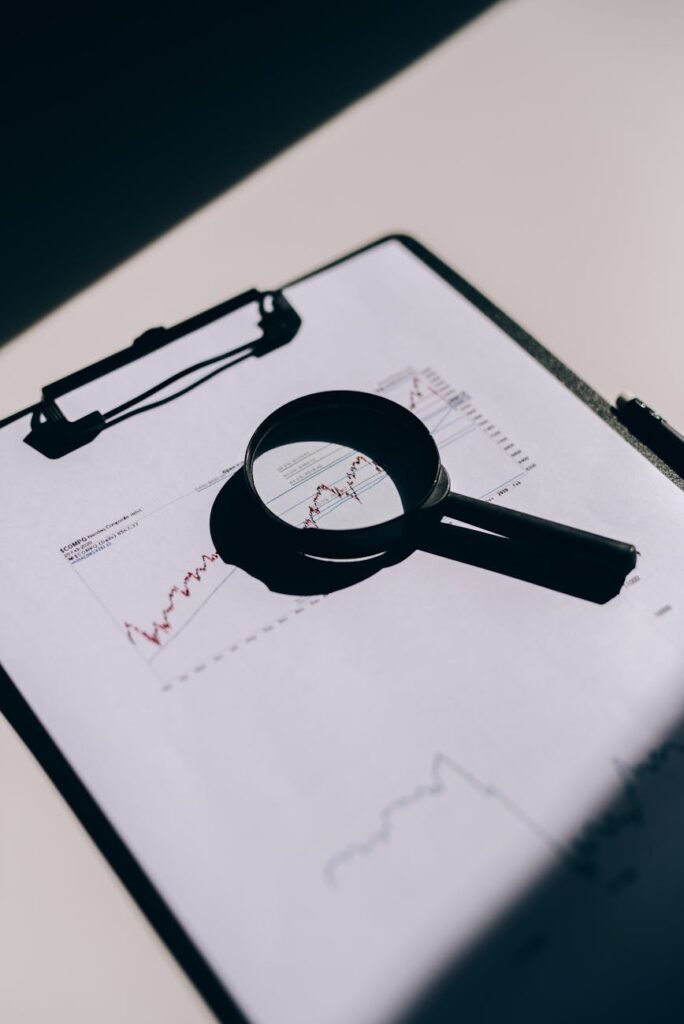
Technical SEO encompasses all behind-the-scenes optimizations that help search engines crawl, understand, and index your website effectively. Unlike content SEO or link building, it focuses on your site’s infrastructure — the foundation that supports every other SEO effort.
Google’s AI algorithms now evaluate technical quality signals with unprecedented precision. A technically weak site — even with excellent content — will be outranked by a technically sound competitor with average content.
Search engines now understand user intent and website quality signals at a deep semantic level, making technical signals more impactful than ever.
New stricter performance thresholds — LCP under 2.0s, INP under 150ms, CLS under 0.08 — are now confirmed ranking signals.
Google indexes the mobile version of your site first. Technical mobile failures directly impact your desktop rankings too.
Technical requirements for voice-compatible pages — fast load times, structured data, concise answers — have become standard practice.
HTTPS, security headers, and content integrity signals are now prerequisites for ranking in competitive SERPs, not optional extras.
Before diving in, proper groundwork saves hours and prevents missed issues. Here is the exact setup process we use at Codex Guru for every client audit.
| Tool Category | Recommended Tools | Primary Use |
|---|---|---|
| Crawling & Analysis | Screaming Frog, Sitebulb, DeepCrawl | Site architecture, broken links, redirect chains |
| Performance Testing | PageSpeed Insights, GTmetrix, WebPageTest | Core Web Vitals, speed optimization |
| Search Console Data | Google Search Console, Bing Webmaster Tools | Index status, coverage errors, performance |
| Technical Monitoring | SEMrush, Ahrefs, Moz Pro | Ongoing issue tracking, backlinks |
| Accessibility Testing | axe DevTools, WAVE, Lighthouse | Accessibility compliance, UX signals |
- Gather access credentials for all platforms: Google Analytics 4, Search Console, hosting server logs, and CDN dashboards.
- Document current baselines — record existing Core Web Vitals scores, organic traffic, crawl error counts, and indexed page totals before you change anything.
- Create a prioritized audit checklist tailored to your site type (e-commerce, blog, SaaS, local business) and known pain points.
- Set up monitoring alerts in Search Console and your uptime monitor so critical issues are flagged immediately during the audit process.

- Next-gen formats: Serve WebP as standard, AVIF for supporting browsers, and evaluate JPEG XL for high-fidelity photography.
-
Responsive images: Always implement
srcsetandsizesattributes to serve correctly sized images per viewport. -
Native lazy loading: Use
loading="lazy"on all below-fold images andloading="eager"on the LCP image. -
Critical image preloading: Add
<link rel="preload">for your hero/LCP image to eliminate render-blocking delays.
- Code splitting: Break JavaScript into smaller, route-specific bundles so users only download what each page needs.
- Tree shaking: Configure your build tool (Webpack, Vite, Rollup) to automatically remove unused code from production bundles.
- Service workers: Implement intelligent caching strategies that serve cached assets instantly on repeat visits.
- Critical JS inlining: Inline only essential, render-critical JavaScript; defer and async all non-critical scripts.
Crawlability and indexability are not the same thing. A page can be crawlable (Google can visit it) but not indexable (Google cannot store it in its index). Both must be healthy for pages to rank.
Your robots.txt is the first signal search engines receive about your site’s crawl preferences. In 2026, it must also address AI training crawler restrictions.
# Standard search engine access
User-agent: *
Disallow: /admin/
Disallow: /private/
Disallow: /*?print=1
Allow: /wp-content/uploads/

# AI Training Data Restrictions (New in 2026)
User-agent: GPTBot
Disallow: /proprietary-content/

User-agent: ChatGPT-User
Disallow: /premium-content/

User-agent: CCBot
Disallow: /

# Sitemaps
Sitemap: https://codexguruu.com/sitemap.xml
Sitemap: https://codexguruu.com/news-sitemap.xml
Modern XML sitemaps in 2026 should include:
- Priority scoring based on actual business importance and traffic — not arbitrary defaults.
- Accurate lastmod dates tied to real content updates, not server timestamps.
- Image and video sitemaps to help Google discover and index rich media content.
- News sitemaps for time-sensitive articles to qualify for Google News and Top Stories.
- Semantic relevance: Link to contextually related content that adds value to the current reader’s journey.
- Anchor text diversity: Use descriptive, varied anchor text — avoid exact-match keyword stuffing in anchor text.
- Link equity distribution: Ensure your highest-value pages receive proportionally more internal links.
- Breadcrumb implementation: Add structured breadcrumbs with BreadcrumbList schema for clear navigation paths.
meta name="viewport" content="width=device-width, initial-scale=1" on every page.URLs should clearly communicate page content at a glance — both to users and search engine crawlers.
Reflect your content structure in URLs: /category/subcategory/page-name/ for clarity and equity distribution.
Standardize lowercase, hyphens over underscores, and trailing slash policy across all URLs sitewide.
Use subdirectories (/en/, /de/) or ccTLDs with proper hreflang annotations for multilingual sites.
- Flat site structure: Every important page should be reachable within 3 clicks from the homepage to preserve crawl budget.
- Logical category organization: Group content thematically to build topical authority clusters that Google rewards.
- Faceted navigation: For e-commerce, use canonical tags and robots directives on filtered URLs to prevent index bloat.
- Internal search: Implement noindex on search result pages and use faceted navigation for large product catalogs.
Structured data is now a primary signal for Google’s AI Overviews and Bing Copilot citations. Sites with correct schema markup are dramatically more likely to be cited in AI-generated answers.
| Schema Type | Use Case | Priority |
|---|---|---|
| Article / BlogPosting | Content sites, blogs, news | 🔴 High |
| Organization | Business identity, sitelinks search box | 🔴 High |
| LocalBusiness | Local SEO, Google Business integration | 🔴 High |
| Product | E-commerce, price/availability rich results | 🔴 High |
| FAQPage | Question-based content, voice search, AI Overviews | 🟡 High |
| HowTo | Tutorial content, step-by-step guides | 🟡 Medium |
| BreadcrumbList | Navigation, SERP URL display | 🟡 Medium |
| Event | Event promotion, rich SERP features | 🟢 Low |
{
  "@context": "https://schema.org",
  "@type": "Article",
  "headline": "Technical SEO Audit Guide 2026",
  "author": {
    "@type": "Person",
    "name": "Alex",
    "url": "https://codexguruu.com/author/alex/"
  },
  "publisher": {
    "@type": "Organization",
    "name": "Codex Guru",
    "logo": {
      "@type": "ImageObject",
      "url": "https://codexguruu.com/logo.png"
    }
  },
  "datePublished": "2026-04-11",
  "dateModified": "2026-04-15",
  "description": "Comprehensive technical SEO audit guide 2026.",
  "mainEntityOfPage": {
    "@type": "WebPage",
    "@id": "https://codexguruu.com/technical-seo-audit-guide-2026/"
  }
}Strict-Transport-Security header with a max-age of at least 31536000 and includeSubDomains.Content-Security-Policy: default-src 'self'; script-src 'self' 'unsafe-inline'
X-Frame-Options: DENY
X-Content-Type-Options: nosniff
Referrer-Policy: strict-origin-when-cross-origin
Permissions-Policy: geolocation=(), microphone=(), camera=()
Strict-Transport-Security: max-age=31536000; includeSubDomains; preload- HTML link elements: Add hreflang annotations directly in the
<head>of each page — best for smaller sites. - HTTP headers: For non-HTML files (PDFs, etc.), hreflang must be delivered via HTTP response headers.
- XML sitemaps: The most scalable method — centralize all hreflang annotations in your sitemap for large multilingual sites.
Missing return tags — every hreflang annotation must be fully reciprocal. If your English page references your French page, the French page must reference the English page back, or Google ignores the entire annotation set.
- Incorrect language codes: Always use proper ISO 639-1 language codes (e.g.,
en,de,fr) with optional region subtags (en-US,en-GB). - Self-referencing tags: Each page must include a hreflang annotation pointing to itself — this is required, not optional.
- Consistent URL structures: Use canonical absolute URLs in all hreflang annotations — mixing relative and absolute URLs causes parsing failures.
- Progressive enhancement: Ensure core content and navigation are accessible and crawlable without JavaScript enabled.
- Dynamic meta tag handling: Use server-side meta tag rendering or pre-rendering for JavaScript-generated page titles and descriptions.
- Crawlable internal links: JavaScript-generated links must use standard
<a href="">elements — onClick handlers alone are not followed by Googlebot. - Loading states: Implement skeleton screens and proper loading indicators to reduce perceived CLS and INP scores.
How often Googlebot visits each section of your site — reveals which pages are prioritized and which are neglected.
Identify the volume of 404s, 301s, 500s, and 200s being served to crawlers — each status has crawl budget implications.
Determine which page types consume the most crawl budget and whether high-value pages are receiving adequate crawler attention.
Differentiate between Googlebot, Bingbot, and AI training crawlers to understand total crawler load on your server.
- AI-powered automation: Tools that automatically detect and fix technical SEO issues in real time are becoming standard in enterprise SEO workflows.
- Voice search infrastructure: Fast load times, FAQ schema, and direct-answer page structure are becoming technical prerequisites, not content choices.
- AR content SEO: Augmented reality assets require new metadata conventions — an emerging area to monitor for e-commerce and education sites.
- Content authenticity signals: Blockchain-based content provenance and author verification may become future ranking factors, especially post-AI content flood.
Master internal linking strategy — learn how to distribute link equity, build topical clusters, and drive crawl efficiency.
Read Complete GuideTechnical SEO in 2026 requires a comprehensive, systematic approach that balances current best practices with emerging technologies and AI-driven search changes. The landscape continues to evolve — but the fundamentals remain constant: make your site fast, crawlable, secure, and semantically clear.
Success demands not just fixing known issues, but building scalable systems and monitoring processes that catch problems before they impact rankings. Websites that thrive treat technical SEO as an ongoing discipline — with regular audits, proactive fixes, and the agility to adapt to algorithm updates as they emerge.
By following this guide and adapting its principles to your specific site type, industry, and audience, you will build the technical foundation for long-term organic growth — not just higher rankings, but better user experience, faster pages, and sustainable digital authority.